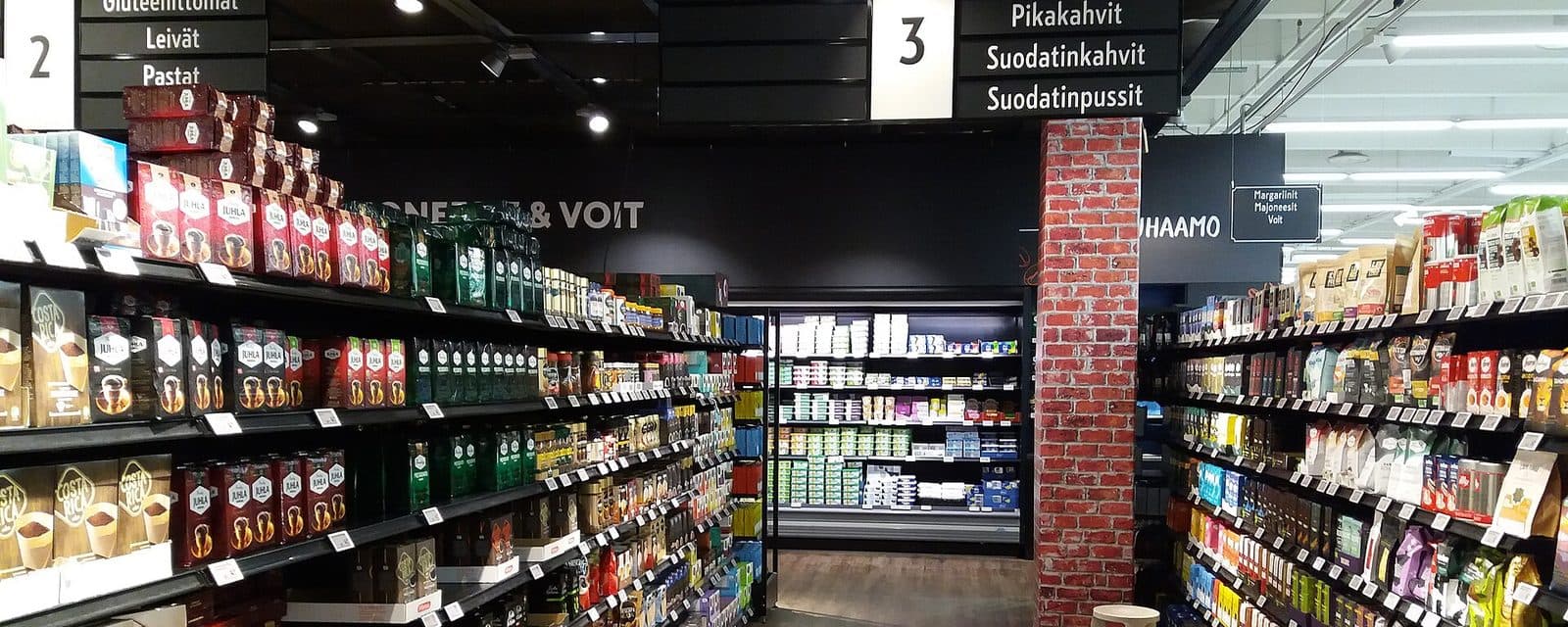
The Kroger-Albertsons dispute remains unresolved and still has a long way to go. The judge overseeing the fight will weigh how to interpret the retailers’ inability to produce a suitable divestiture plan, and that view could determine how she rules. For professional readers, the case matters because the treatment of divestiture remedies may shape the outcome and signal expectations for similar merger challenges.
Walmart has added visual recognition and cart generation to its Sparky AI assistant ahead of the holiday shopping season. The new capabilities are intended to make shopping smoother both online and in stores. For professional readers, the update signals Walmart’s push to use AI to reduce holiday shopping friction and make its assistant more useful across channels.
Outdoor Voices has signed a licensing agreement with Focus Brands to expand the activewear brand into the UK and EU. The initial push will focus on wholesale and e-commerce, using a partner-led model to enter new markets. For professional readers, the deal highlights licensing as a route to international distribution without directly building out local operations.
Wayfair reported its strongest quarter of growth since the pandemic in Q3, with revenue rising nearly 10% and active customers increasing 4.7%. The gains came even as consumer spending habits in the home category continued to shift. For professional readers, this signals that Wayfair is regaining momentum despite a challenging home-furnishings demand environment.
Amazon is offering a $25 Thanksgiving meal bundle, positioning it below the holiday bundles most grocers promote at under $40. The move highlights Amazon’s effort to use aggressive holiday pricing to draw attention to and grow its grocery business amid competitive seasonal promotions.
Ikea is putting holiday events at the center of its seasonal push, with two locations hosting outdoor markets while every store runs holiday events this month. The furniture retailer has also widened its assortment for the period. The move reflects a broader retail play: using in-store experiences and markets to draw shoppers in during the competitive holiday window, rather than relying on product and price alone.
Google is planning to expand its digital wallet beyond payments, positioning it as a place to store receipts, track online orders and help arrange refunds. The move signals that Google sees the wallet as a broader hub for managing transactions after checkout, not just a way to pay. For professionals in payments and commerce, it suggests growing competition around post-purchase data and customer touchpoints, where wallets could become the default record of online shopping activity.
Ahold Delhaize expects a cybersecurity incident that disrupted its operations last month to reduce net sales in the current quarter. The online breach comes despite strong U.S. online growth in the third quarter, highlighting near-term operational and financial risk for the retailer.
Festival Foods, a family-owned Wisconsin grocery chain, has launched a revamped loyalty program together with an updated app and website. Under the new setup, shoppers earn 2% back on purchases made both in stores and online. The change gives the regional grocer a single digital and rewards offering that spans its physical and e-commerce channels.
Kroger is using RFID and computer vision data to strengthen inventory management. The grocery chain is sharing machine learning insights with suppliers to improve product availability and is piloting RFID at 1,500 store bakeries. The effort matters because it aims to improve stock visibility and supplier coordination across a large store network.